
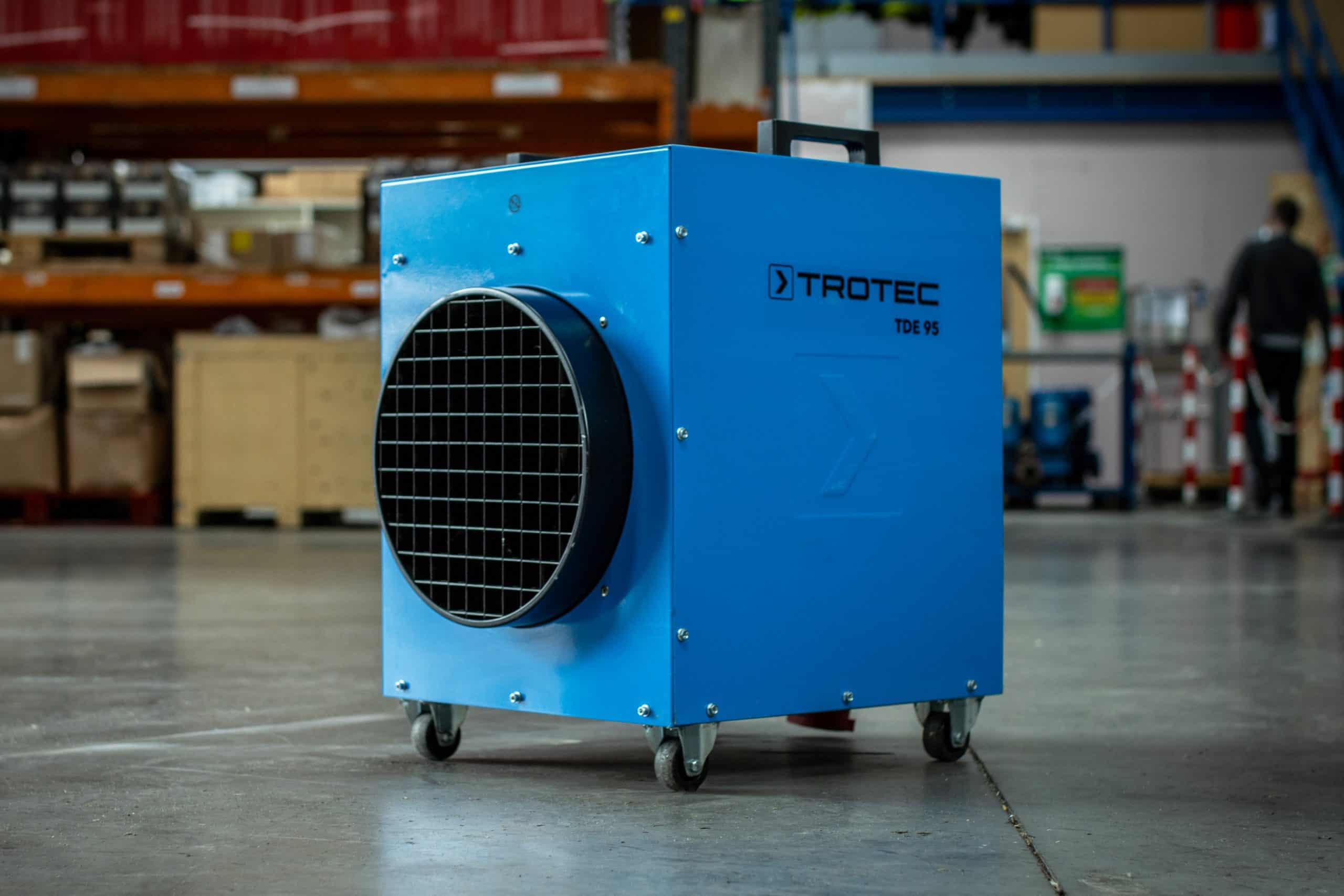
When temperatures drop, maintaining safe, comfortable, and productive working conditions becomes essential. Heater hire provides a flexible, cost-effective solution for businesses facing seasonal cold weather, unexpected temperature drops, or temporary heating requirements. Rather than investing in permanent equipment, hiring allows you to access the right heating capacity exactly when and where it’s needed, without long-term commitment or maintenance concerns.
From construction sites and warehouses to factories, events, and temporary structures, heater hire is ideal for cold periods, shutdowns, breakdown cover, peak demand, or short-term projects. With rapid deployment, scalable output, and expert support, hiring ensures your operation stays compliant, efficient, and comfortable throughout winter and beyond.
What Heater Do I Need for My Operational Space?
Choosing the right heater for your operational space is essential for maintaining comfort, productivity, and safe working conditions. Whether you’re heating a warehouse, construction site, factory, marquee, or temporary workspace, selecting the correct heater ensures efficient performance and avoids unnecessary costs.
This guide explains how to work out which heater type you should hire for different environments, the key factors to consider, and when professional advice can make all the difference.
Step 1: Understand Your Space
The size and type of space you’re heating is the starting point. Consider:
- Length, width, and height of the area
- Whether the space is open or enclosed
- Ceiling height (high ceilings require more heat)
- Construction type (steel, concrete, insulated panels, tents, etc.)
Large, open, or poorly insulated spaces typically require higher heat output or multiple heaters.
Step 2: Calculate the Volume
To estimate heating requirements, calculate the volume of your space:
Length × Width × Height = Cubic metres (m³)
This gives a baseline for determining the heater output required.
Step 3: Consider Insulation and Heat Loss
Heat loss plays a major role in heater selection. Ask:
- Is the building insulated or uninsulated?
- Are doors opening frequently?
- Are there large roller shutters or open bays?
- Is the space exposed to wind or external weather?
Low insulation and high air movement significantly increase heat demand and may require indirect-fired heaters or higher kW outputs.
Step 4: Determine the Temperature Increase Needed
Next, work out how much temperature rise is required:
Desired internal temperature – average external temperature = temperature rise (°C)
For example, if the outside temperature is 5°C and you need the space at 18°C, the required temperature rise is 13°C.
Step 5: Estimate Heater Output (kW)
As a general guide:
- Well-insulated spaces: lower kW per m³
- Poorly insulated or open spaces: higher kW per m³
This calculation provides an estimate only. Factors such as airflow, layout, and occupancy can affect final requirements.
Step 6: Choose the Right Heater Type
Electric Heaters
- Clean, quiet, and simple to install
- No emissions at the point of use
- Ideal for enclosed or occupied spaces
- Best suited to offices, workshops, or as supplementary heating
- Requires adequate electrical supply
Gas Heaters
- High heat output for rapid space heating
- Cost-effective for large, well-ventilated areas
- Suitable for warehouses, factories, and industrial environments
- Available in direct or indirect configurations depending on ventilation and occupancy
Indirect Heaters
- Provide clean, dry heat with no combustion by-products in the airflow
- Safe for occupied and enclosed spaces
- Ideal for events, public buildings, temporary structures, and sensitive environments
- Can be ducted to deliver heat exactly where it’s needed
- Energy efficient for spot heating
Step 7: Power and Fuel Availability
Before selecting a heater to hire, check what power or fuel is available on site:
- Electrical supply (single-phase or three-phase)
- Diesel or gas availability
- Fuel storage requirements
- Emissions or environmental restrictions
This will influence whether electric, oil-fired, gas-fired, or hybrid heating is most suitable.
Step 8: Safety and Compliance
Operational spaces must meet health and safety requirements. Consider:
- Ventilation needs
- Noise levels
- Air quality
- Fire safety regulations
Professional heater hire ensures equipment is compliant, tested, and installed correctly.
When to Speak to the Experts
While basic calculations can provide a guide, every site is different. A professional assessment ensures:
- Correct heater sizing
- Efficient fuel usage
- Safe operation
- Cost-effective performance
At Cross Rental Services, our specialists assess your space, usage, and constraints to deliver a temporary heating solution tailored to your needs.
Why Choose Cross Rental Services?
- Nationwide heater hire solutions
- Wide range of industrial, commercial, and temporary heaters
- Fast delivery and installation
- Fully compliant equipment
- Expert technical support
Whether you’re heating a warehouse, construction site, event space, or industrial facility, Cross Rental Services can help you work out exactly what heater you need, and supply it fast.
For expert advice or to discuss your project, call 0808 169 1919 or email [email protected].